
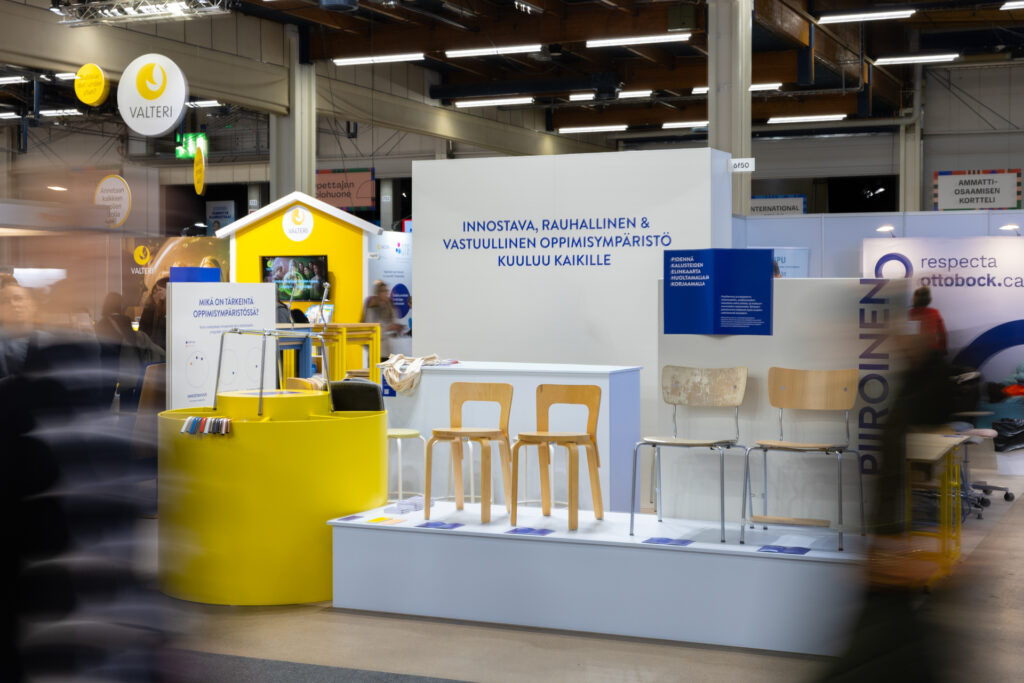
Piiroinen’s furniture business, based on in-house product development and manufacturing, covers projects for sports stands, cultural halls, auditoriums, and loose furniture — from new production through to maintenance throughout the product lifecycle. Circular economy-based operating models are integral to their operations starting from the product development phase, as many solutions, such as those related to maintainability throughout the product lifecycle, are determined during the design phase.
What kind of product or service is it?
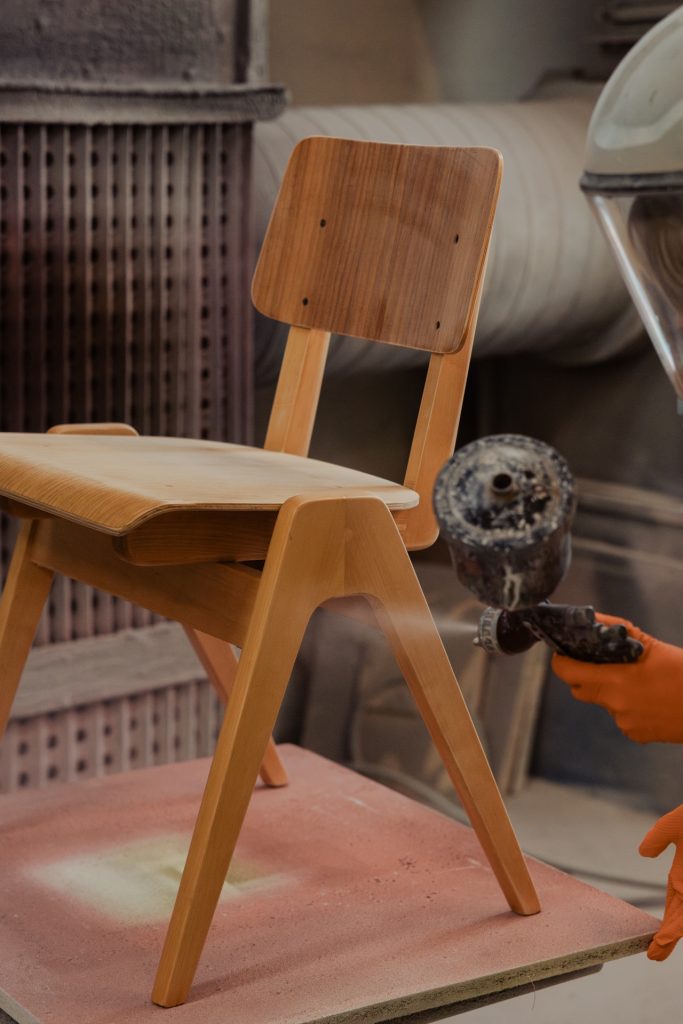
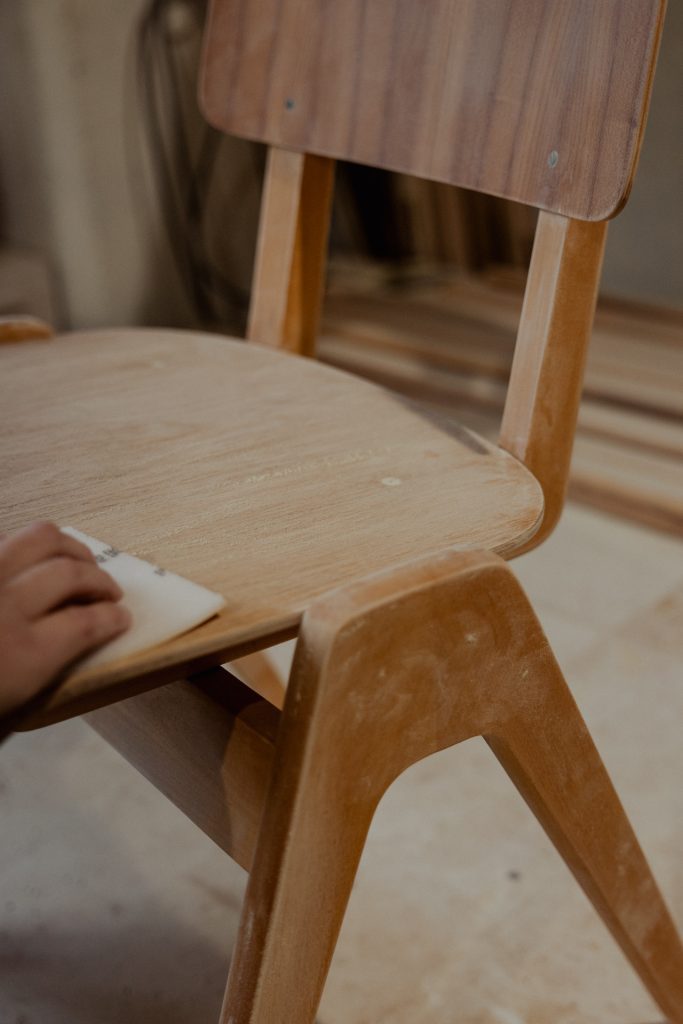
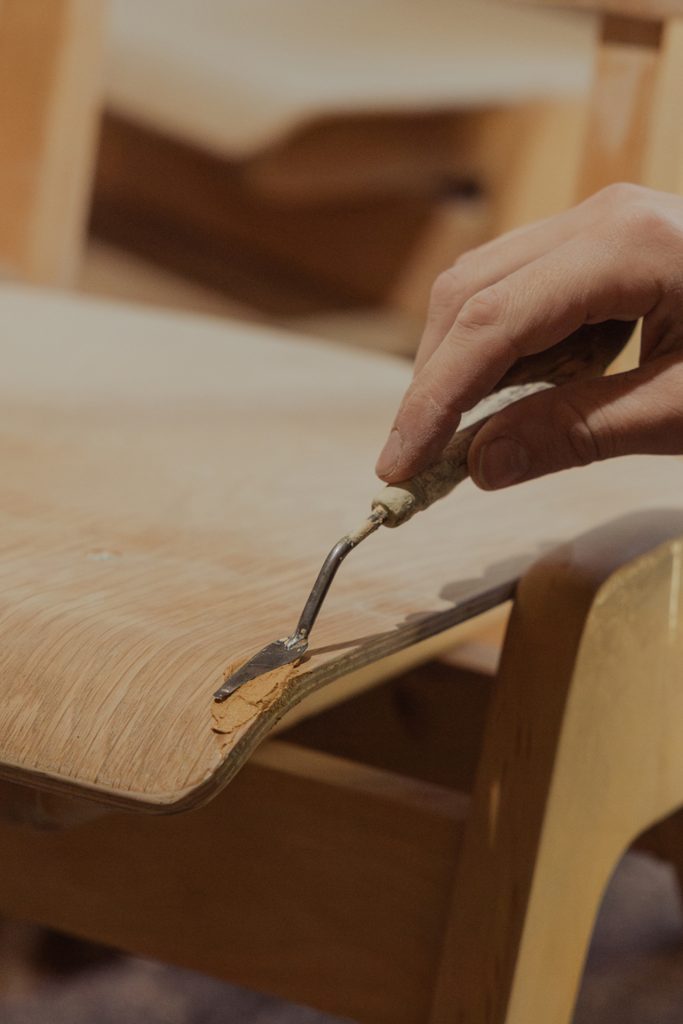
Piiroinen extends the lifecycle of public space furniture by maintaining and repairing movable furniture and auditorium seating in auditoriums, as well as in cultural and sports venues. Lifecycle projects include carbon footprint and carbon handprint calculations to support sustainable procurement decisions. Piiroinen is an industrial-scale operator, and its services are intended for both the public and private procurement sectors. The services are not limited to furniture manufactured by Piiroinen itself.
The maintenance and repair of public space furniture is still a relatively new service across the entire market. The core of the service is that customers can request an assessment of the maintainability of their existing furniture stock. Such a technical assessment is not easy and cannot be performed by just anyone, and Piiroinen’s advantage lies in its versatile manufacturing expertise across various areas of furniture production.
How is the solution related to the circular economy?
Extending the lifecycle of existing products is one of the fundamental models of the circular economy. This reduces the consumption of raw materials and various other materials across the entire value chain, as well as the environmental impact caused by manufacturing and logistics. As a manufacturer, Piiroinen believes it is important to develop environmentally friendly operating models for both the manufacture of new products and their maintenance. Carbon footprint calculations for maintenance projects show that the environmental impact is significantly lower compared to manufacturing a new equivalent piece of furniture, even if the new one were manufactured in an environmentally friendly way.